

Ducorps Cockatoo for Sale


Original price was: $4,000.00.$3,500.00Current price is: $3,500.00.
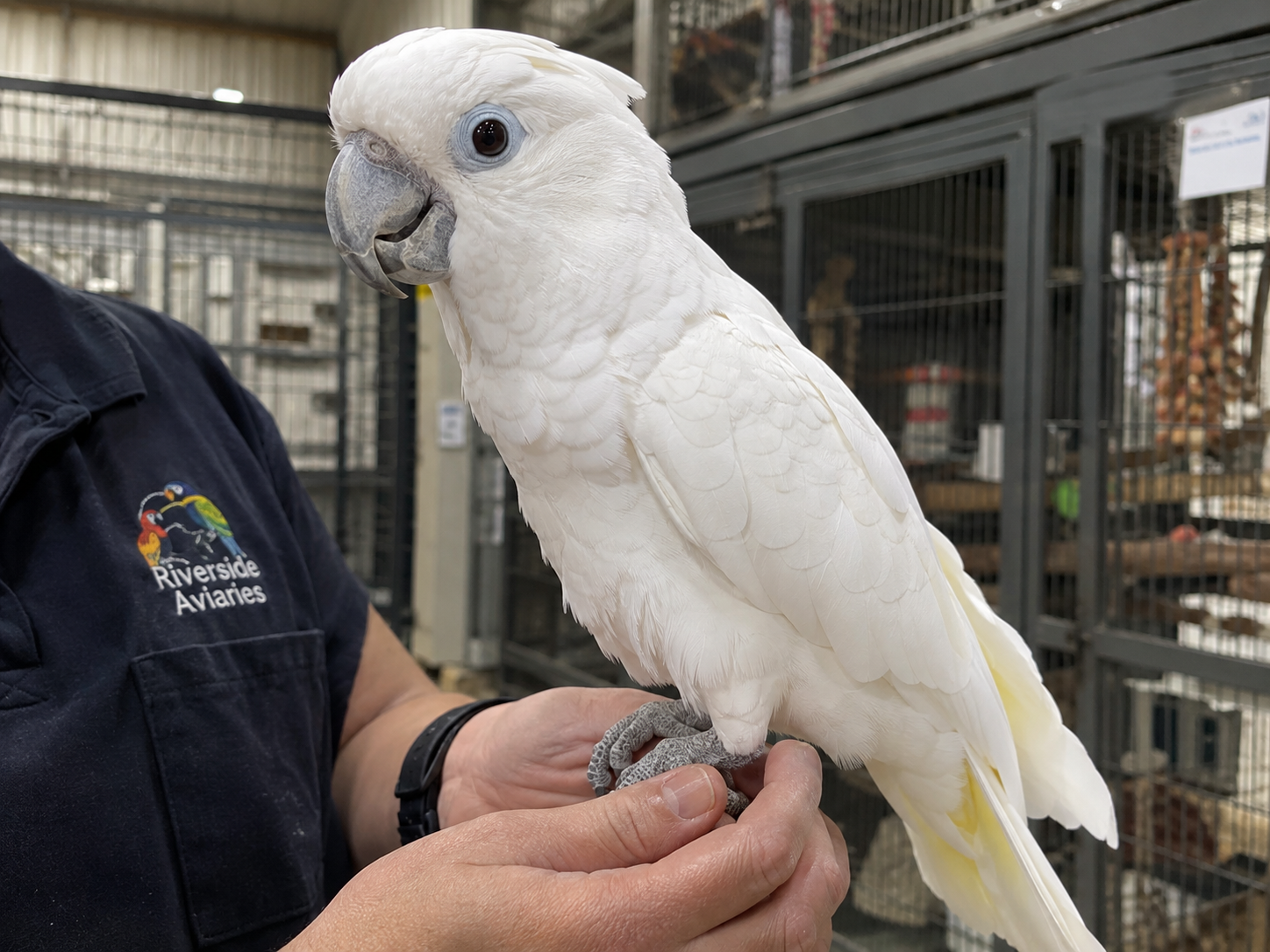
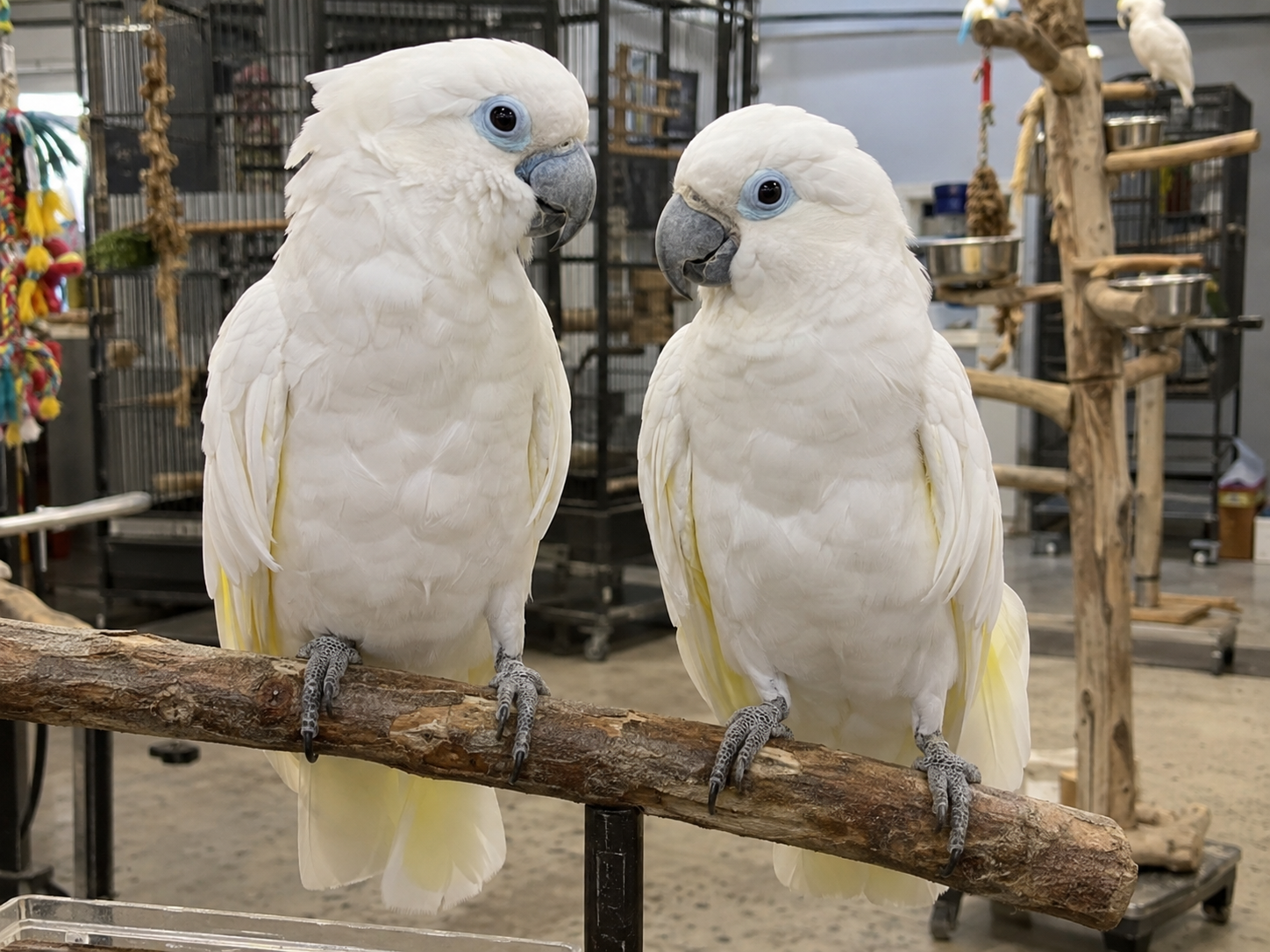
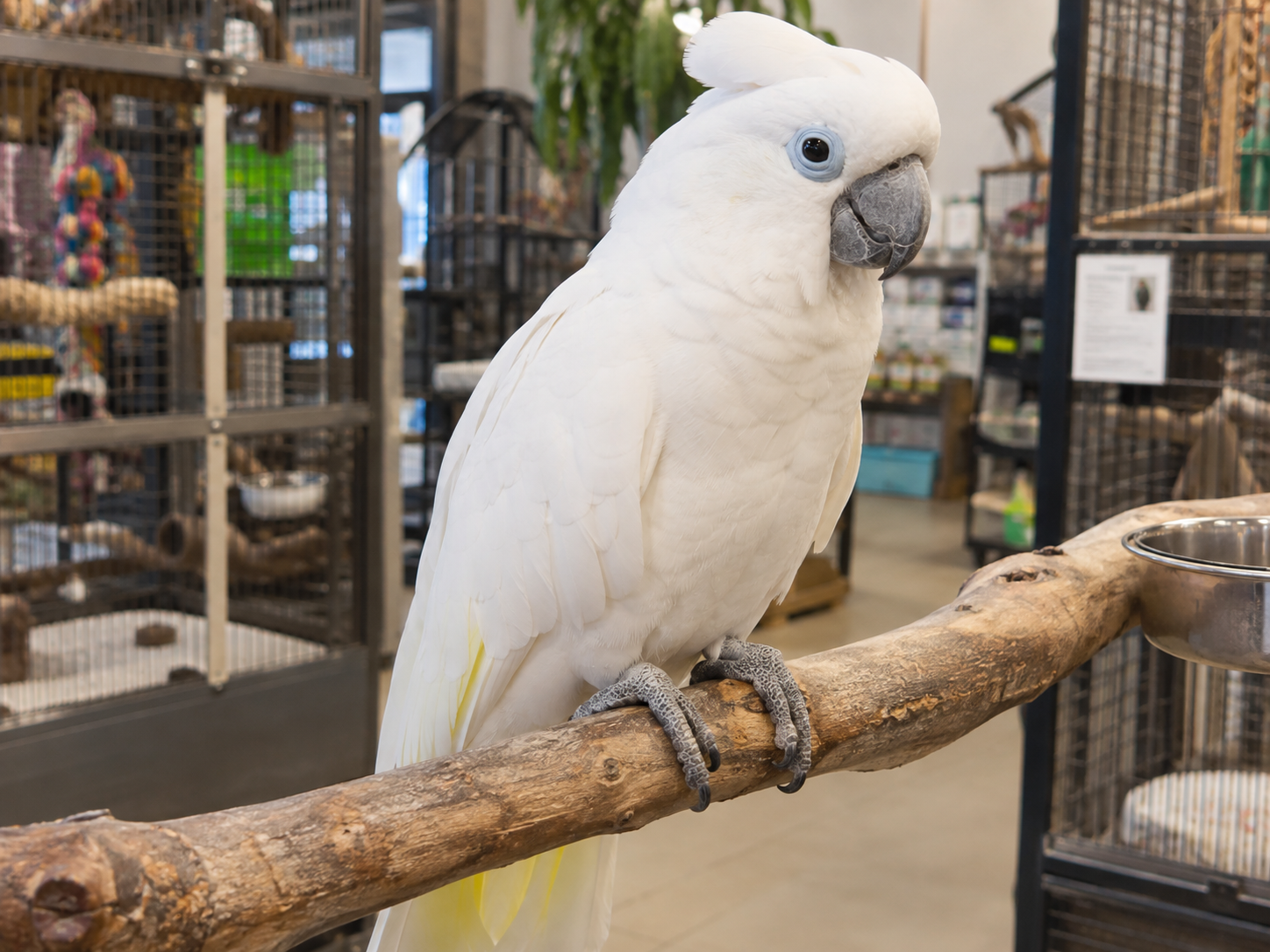
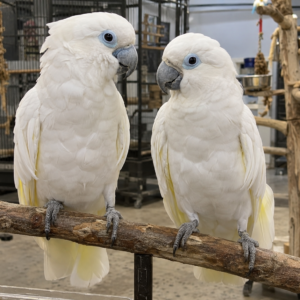
Male and female Ducorps Cockatoos are represented in this listing. Scientifically known as Cacatua ducorpsii, this compact white cockatoo from the Solomon Islands is recognized for its predominantly white plumage, short rounded white crest, pale blue eye ring and subtle yellow colouring beneath the wings and tail. Adults reach approximately 12–13 inches and generally weigh around 300–350 grams. Ducorps Cockatoos require suitable housing, regular enrichment, appropriate nutrition, social interaction and routine avian veterinary care.
Ducorps Cockatoo for Sale – Male & Female
For buyers researching a ducorps cockatoo for sale, the Ducorps Cockatoo is a relatively compact white cockatoo with a gentle-looking profile and a shorter crest than larger species such as the Umbrella and Sulphur Crested Cockatoos.
Scientifically classified as Cacatua ducorpsii, the species is also commonly known as the Solomons Cockatoo or Solomon Corella.
Adults reach approximately 12–13 inches in overall length and generally weigh around 300–350 grams.
Its white plumage is complemented by a pale blue eye ring and subtle yellow tones beneath portions of the wings and tail.
Ducorps Cockatoo Details
- Common Name: Ducorps Cockatoo
- Alternative Names: Solomons Cockatoo, Solomon Corella
- Scientific Name: Cacatua ducorpsii
- Bird Type: Cockatoo
- Sex Represented: Male and Female
- Adult Size: Approximately 12–13 inches
- Adult Weight: Approximately 300–350 g
- Primary Colour: White
- Secondary Colour: Pale yellow underwing and undertail
- Natural Range: Solomon Islands
- Eye Ring: Pale blue
- Crest: Short, rounded and white
What Does a Ducorps Cockatoo Look Like?
The adult Ducorps Cockatoo is predominantly white.
Its crest is much shorter and less dramatic than the large crests of Umbrella or Sulphur Crested Cockatoos.
Other identifying characteristics include:
- White body plumage
- Short white crest
- Pale blue bare eye ring
- Light grey to horn-coloured beak
- Pale yellow colouring beneath the wings
- Pale yellow colouring beneath the tail
- Strong grey feet
The overall appearance is clean and understated.
Male and Female Ducorps Cockatoos
Male and female Ducorps Cockatoos look very similar externally.
As with several other white cockatoos, mature eye colour can provide a useful clue, but it should not replace DNA sexing or reliable breeder documentation where confirmed sex is important.
The sexes share the same:
- White body
- Short white crest
- Pale blue eye ring
- Grey feet
- Pale underwing colouring
Ducorps Cockatoo Size
The typical Ducorps Cockatoo reaches approximately 12–13 inches in length.
Adults generally weigh around 300–350 grams.
This makes the species significantly smaller than Umbrella, Moluccan and Sulphur Crested Cockatoos.
Despite the smaller body size, housing should still allow:
- Full wing stretching
- Horizontal movement
- Climbing
- Chewing
- Bathing
- Foraging
- Comfortable resting
Ducorps Cockatoo Price
The ducorps cockatoo price varies according to the individual bird and current availability.
Factors that may influence price include:
- Age
- Sex
- Socialization
- Handling history
- Health information
- Documentation
- Captive-bred origin
- Geographic location
- Availability
Because no exact selling price has been supplied for this listing, the live product page should display the actual current price rather than using an unsupported generic market estimate.
Ducorps Cockatoo Personality
Ducorps Cockatoos are intelligent and socially active parrots.
Individual temperament varies, but they generally benefit from a predictable environment and regular interaction.
A suitable routine can include:
- Foraging
- Climbing
- Safe chewing
- Training
- Bathing
- Play
- Social interaction
Handling should be adjusted to the comfort and experience of the individual bird.
Are Ducorps Cockatoos Loud?
Ducorps Cockatoos are naturally vocal.
They can produce:
- Contact calls
- Sharp screeches
- Alarm calls
- Social chatter
- Softer vocalizations
They are smaller than some large cockatoos, but they should not be marketed as silent birds.
Prospective owners should still consider household noise tolerance.
Housing a Ducorps Cockatoo
A suitable enclosure should provide secure, usable movement space.
The setup should include:
- Strong natural perches
- Different perch diameters
- Climbing structures
- Feeding and water stations
- Safe chewing materials
- Foraging toys
- Bathing access
- Open movement space
Cockatoos are strong chewers, so lightweight toys and soft wooden fixtures may need regular replacement.
Ducorps Cockatoo Enrichment
Mental stimulation is important.
Suitable enrichment can include:
- Bird-safe wooden toys
- Natural branches
- Foraging toys
- Puzzle feeders
- Swings
- Climbing ropes
- Foot toys
- Bathing opportunities
Rotating enrichment can help keep the environment varied.
Chewing materials should be inspected regularly and replaced when heavily damaged.
Ducorps Cockatoo Diet
A balanced diet is important for long-term health.
A suitable feeding program may include appropriate formulated cockatoo food together with vegetables, leafy greens, legumes, moderate amounts of fruit and controlled portions of nuts or seeds.
Fresh foods can include:
- Carrot
- Bell pepper
- Peas
- Green beans
- Fresh corn
- Leafy greens
- Apple
- Pear
- Berries
- Pomegranate
The exact diet should be adjusted according to the bird’s age, weight, activity and veterinary guidance.
Natural Range of the Ducorps Cockatoo
The Ducorps Cockatoo is native to the Solomon Islands.
It occurs across several islands in the archipelago and is associated with wooded habitats.
Its natural range is much more restricted than that of some widespread Australian cockatoos.
Natural Habitat
The species can occur in:
- Forest
- Forest edge
- Secondary growth
- Cultivated areas
- Woodland
- Areas near human settlement
Availability of suitable nesting cavities remains important for breeding populations.
Wild Behaviour
Wild Ducorps Cockatoos are social birds.
They may occur in:
- Pairs
- Small family groups
- Larger feeding groups
Daily activity includes:
- Flying
- Foraging
- Socializing
- Resting
- Exploring trees and vegetation
Captive environments should provide appropriate opportunities for movement and social stimulation.
Ducorps Cockatoo Breeding
Ducorps Cockatoos are cavity-nesting parrots.
Responsible captive breeding requires knowledge of:
- Pair compatibility
- Nutrition
- Health screening
- Nest management
- Genetics
- Chick development
- Weaning
Simply housing a male and female together should not be treated as a complete breeding setup.
Ducorps Cockatoo vs Umbrella Cockatoo
These species are both predominantly white but differ substantially in size and crest shape.
Ducorps Cockatoo
- Approximately 12–13 inches
- Around 300–350 g
- Short white crest
- Pale blue eye ring
- More compact body
Umbrella Cockatoo
- Approximately 18 inches
- Much heavier
- Large fan-shaped white crest
- Larger body and beak
The Umbrella Cockatoo is substantially larger and has a much more dramatic crest.
Ducorps Cockatoo vs Citron Crested Cockatoo
These two cockatoos are relatively similar in overall size but differ clearly in crest colour.
Ducorps Cockatoo
- White crest
- Pale blue eye ring
- Predominantly white body
Citron Crested Cockatoo
- Golden-orange crest
- Orange ear-coverts
- White body
The crest colour is the easiest visual distinction.
Veterinary Care
An avian veterinarian should be identified before bringing home a Ducorps Cockatoo.
Routine examinations can help monitor:
- Body weight
- Body condition
- Plumage
- Beak
- Feet
- Diet
- Respiratory health
- General wellbeing
Preventive veterinary care should form part of the long-term ownership plan.
Preparing for Ducorps Cockatoo Ownership
Before choosing a ducorps cockatoo for sale, suitable housing and a long-term care plan should already be prepared.
A suitable setup should include:
- Secure housing
- Natural perches
- Adequate movement space
- Safe chewing materials
- Foraging enrichment
- Bathing access
- Balanced nutrition
- Social stimulation
- Avian veterinary support
The bird’s individual health, socialization and documented origin should be considered alongside the Ducorps Cockatoo price.
Why the Ducorps Cockatoo Is Distinctive
The Ducorps Cockatoo combines the classic white cockatoo appearance with a relatively compact body, short crest and distinctive pale blue eye ring.
Its smaller size makes it visually different from larger white cockatoos, but its behavioural and husbandry needs remain substantial.
For buyers researching a ducorps cockatoo for sale, health, documented origin, socialization, housing, enrichment and long-term veterinary care should all be considered before purchase.
Frequently Asked Questions
What is the scientific name of the Ducorps Cockatoo?
The scientific name is Cacatua ducorpsii.
Is the Ducorps Cockatoo also called the Solomons Cockatoo?
Yes. Solomons Cockatoo and Solomon Corella are common alternative names.
How big is a Ducorps Cockatoo?
Adults reach approximately 12–13 inches.
How much does a Ducorps Cockatoo weigh?
Adults generally weigh approximately 300–350 grams.
What is the Ducorps Cockatoo price?
The Ducorps Cockatoo price varies according to age, sex, socialization, health, documentation, captive origin, location and availability.
What colour is a Ducorps Cockatoo?
Adults are predominantly white with a short white crest, pale blue eye ring and subtle pale yellow colouring beneath the wings and tail.
Can you tell male and female Ducorps Cockatoos apart visually?
The sexes look very similar. Mature eye colour may provide a clue, but DNA testing or reliable breeder documentation is preferable when confirmed sex is required.
Are Ducorps Cockatoos loud?
Yes. They can produce sharp screeches, contact calls and other normal cockatoo vocalizations.
What does a Ducorps Cockatoo eat?
A managed diet can include appropriate formulated food, vegetables, leafy greens, legumes, moderate fruit and controlled nuts or seeds.
Where does the Ducorps Cockatoo come from?
The species is native to the Solomon Islands.
Be the first to review “Ducorps Cockatoo for Sale”
Related products


Cockatoo Parrots


Cockatoo Parrots


Cockatoo Parrots
Cockatoo Parrots
Cockatoo Parrots

Cockatoo Parrots


Cockatoo Parrots

Cockatoo Parrots
Reviews
There are no reviews yet.