


Citron Crested Cockatoo for Sale

Original price was: $3,000.00.$2,500.00Current price is: $2,500.00.
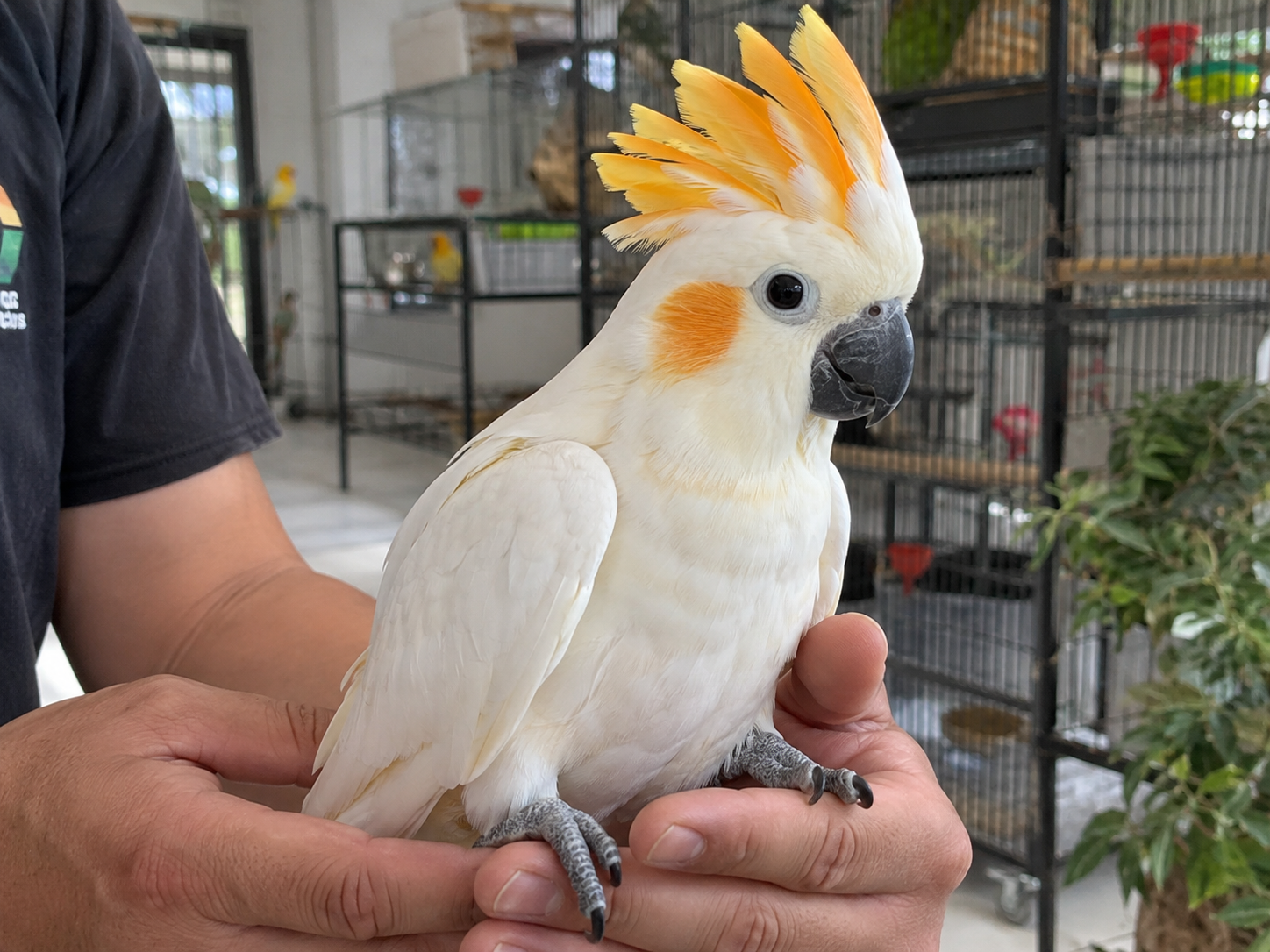
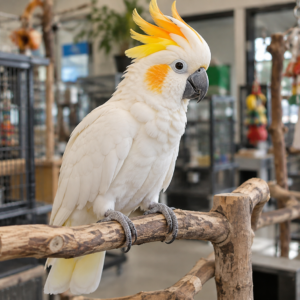
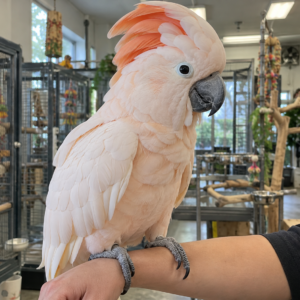
Male and female Citron Crested Cockatoos are represented in this listing. Scientifically known as Cacatua citrinocristata, this Indonesian cockatoo is distinguished by predominantly white plumage, a vivid golden-orange crest and orange ear-coverts. Adults reach approximately 12.8 inches and weigh around 380 grams. With a reported Citron Crested Cockatoo lifespan of approximately 40–60 years, these parrots require spacious housing, regular enrichment, appropriate nutrition and long-term avian veterinary care.
Citron Crested Cockatoo for Sale – Male & Female
For buyers researching a citron crested cockatoo for sale, this rare Indonesian cockatoo is immediately recognizable by the striking orange crest that contrasts with its otherwise white plumage.
Scientifically classified as Cacatua citrinocristata, it is also known as the Orange-crested Cockatoo.
The Citron-crested Cockatoo was historically treated as a form of the Yellow-crested Cockatoo, but current taxonomy recognizes it as a separate species.
Adults reach approximately 33 cm, or 12.8 inches, and weigh around 380 grams.
Citron Crested Cockatoo Details
- Common Name: Citron Crested Cockatoo
- Alternative Name: Orange-crested Cockatoo
- Scientific Name: Cacatua citrinocristata
- Bird Type: Cockatoo
- Sex Represented: Male and Female
- Adult Size: Approximately 12.8 inches
- Adult Weight: Approximately 380 g
- Reported Lifespan: Approximately 40–60 years
- Primary Colour: White
- Crest Colour: Golden orange
- Natural Range: Sumba, Indonesia
- Conservation Status: Critically Endangered
- CITES Listing: Appendix I
What Does a Citron Crested Cockatoo Look Like?
The Citron Crested Cockatoo is predominantly white.
Its most distinctive feature is the bright golden-orange crest extending from the forehead across the crown.
The ear-coverts also show orange colouring, giving the face a warmer appearance than other small white cockatoos.
Other identifying characteristics include:
- White body plumage
- Golden-orange crest
- Orange ear-coverts
- Slate-grey beak
- Strong grey feet
- Brown eyes in males
- Copper-toned eyes in females
The contrast between the white body and orange crest separates this species clearly from yellow-crested cockatoos.
Male Citron Crested Cockatoo
Adult males have the same white plumage and orange crest seen in females.
One of the most useful mature sex differences is eye colour.
Adult males typically have brown eyes.
Typical male features include:
- White body
- Golden-orange crest
- Orange ear-coverts
- Slate-grey beak
- Brown eyes
Female Citron Crested Cockatoo
Adult females are visually similar to males but typically develop copper-coloured eyes.
Typical female characteristics include:
- White body
- Orange crest
- Orange ear-coverts
- Slate-grey beak
- Copper-toned eyes
Eye colour can be helpful in mature birds, although DNA testing or reliable documentation provides stronger sex confirmation.
Citron Crested Cockatoo Size
The typical adult Citron Crested Cockatoo size is approximately 12.8 inches.
Adults weigh around 380 grams.
Although smaller than Umbrella, Moluccan and Sulphur Crested Cockatoos, the species still needs substantial usable space.
Housing should allow:
- Full wing stretching
- Horizontal movement
- Climbing
- Chewing
- Foraging
- Bathing
- Comfortable resting
Professional avicultural guidance recommends a walk-in aviary with a minimum length of approximately 14.7 feet.
Citron Crested Cockatoo Lifespan
The reported Citron Crested Cockatoo lifespan is approximately 40–60 years.
Actual longevity can vary according to:
- Genetics
- Nutrition
- Veterinary care
- Exercise
- Housing
- Environmental safety
- Body condition
- Mental stimulation
Potential owners should therefore plan for several decades of responsibility.
Citron Crested Cockatoo Price
The Citron Crested Cockatoo price can vary considerably because the species is uncommon in captivity and subject to strict conservation controls.
Price may be influenced by:
- Age
- Sex
- Captive-bred origin
- Health information
- Documentation
- Socialization
- Handling history
- Location
- Legal availability
Because no exact selling price has been provided for this listing, the live product page should display the actual current selling price rather than an unsupported estimate.
For this species, legitimate origin and documentation are especially important because it is listed under CITES Appendix I.
Citron Crested Cockatoo Personality
Citron Crested Cockatoos are intelligent and socially active parrots.
Individual temperament varies, but a suitable captive environment should provide opportunities for:
- Foraging
- Climbing
- Training
- Safe chewing
- Bathing
- Puzzle activities
- Social interaction
Age, socialization and previous experiences can all influence behaviour.
Citron Crested Cockatoo Sounds
The Citron Crested Cockatoo produces a harsh screech.
Its call is generally considered less raucous than that of the larger Sulphur Crested Cockatoo.
The species can also produce:
- Squeaky notes
- Whistles
- Contact calls
- Alarm sounds
Potential owners should still expect normal cockatoo vocalization.
Housing a Citron Crested Cockatoo
Adequate space is important despite the species’ moderate size.
Professional avicultural guidance recommends a walk-in aviary approximately 14.7 feet long.
A suitable setup should include:
- Strong secure construction
- Natural wooden perches
- Different perch diameters
- Open movement space
- Feeding stations
- Safe chewing materials
- Foraging toys
- Bathing access
The enclosure should not be overcrowded with accessories.
Citron Crested Cockatoo Enrichment
Suitable enrichment can include:
- Bird-safe wood
- Willow branches
- Pine branches
- Fir branches
- Elder branches
- Wooden toys
- Vegetable-tanned leather toys
- Foraging toys
- Bathing opportunities
Socialization is also an important part of enrichment.
Chewing materials should be replaced regularly because cockatoos can destroy wood quickly.
Citron Crested Cockatoo Diet
A varied captive diet may include appropriate formulated cockatoo food together with fresh vegetables, leafy greens, legumes, controlled seeds, fruit and nuts.
Suitable foods may include:
- Carrot
- Celery
- Zucchini
- Green beans
- Peas
- Fresh corn
- Swiss chard
- Dandelion greens
- Apple
- Pear
- Orange
- Banana
- Walnuts
- Hazelnuts
- Pecans
Cooked or sprouted legumes such as mung beans and lentils may also form part of a managed diet.
The exact feeding plan should be adjusted according to the bird’s age, body condition and veterinary guidance.
Natural Range of the Citron Crested Cockatoo
The Citron Crested Cockatoo has an extremely restricted natural distribution.
It is endemic to the Indonesian island of Sumba in the southwestern Nusa Tenggara Islands.
This limited range makes the species particularly vulnerable to habitat change and trapping.
Natural Habitat
The species occurs in:
- Woodland
- Cultivated areas
- Forested landscapes
- Areas from sea level to around 500 metres elevation
Suitable mature trees are especially important because the species relies on cavities for nesting.
Wild Diet
Wild Citron Crested Cockatoos consume a variety of plant foods.
Recorded foods include:
- Seeds
- Berries
- Flowers
- Leaves
- Leaf buds
- Cultivated maize
- Bananas
- Mangoes
- Papaya
- Figs
- Guavas
The species may forage in pairs or small groups.
Wild Behaviour
Citron Crested Cockatoos usually occur in:
- Pairs
- Small groups
- Larger temporary groups around fruiting trees
Groups may gather toward dusk before roosting.
Their wild social behaviour reinforces the need for social and environmental stimulation under captive care.
Citron Crested Cockatoo Breeding
The breeding season generally runs from approximately September through May.
Wild birds nest in tree cavities, including cavities in dead or decaying trees.
A typical clutch contains approximately two or three eggs.
Young generally fledge at around 10–12 weeks.
Captive breeding requires appropriate knowledge of:
- Genetics
- Pair compatibility
- Health screening
- Nutrition
- Nest management
- Chick development
- Documentation
Because this is a CITES Appendix I species, breeding and transfer documentation can be particularly important.
Citron Crested Cockatoo Conservation Status
The Citron Crested Cockatoo is classified as Critically Endangered.
Current estimates indicate approximately 800–1,320 mature birds remain in the wild, with the population continuing to decrease.
Major threats include:
- Trapping
- Habitat loss
- Forest degradation
- Loss of nesting trees
Over recent generations, the wild population has undergone a rapid decline.
Responsible captive breeding and documented legal origin are therefore especially important for this species.
Citron Crested Cockatoo vs Sulphur Crested Cockatoo
These two species differ significantly in size and crest colour.
Citron Crested Cockatoo
- Approximately 12.8 inches
- Around 380 g
- Golden-orange crest
- Orange ear-coverts
- Much smaller body
Sulphur Crested Cockatoo
- Approximately 19.5 inches
- Around 815–975 g
- Bright yellow crest
- Considerably larger build
The orange crest is the easiest visual feature distinguishing the Citron Crested Cockatoo.
Citron Crested Cockatoo vs Yellow Crested Cockatoo
These names can be confusing because the species are closely related.
Citron Crested Cockatoo
- Cacatua citrinocristata
- Golden-orange crest
- Restricted to Sumba
Yellow Crested Cockatoo
- Cacatua sulphurea
- Yellow crest
- Different island populations across Indonesia and Timor-Leste
The Citron Crested Cockatoo was once treated as a subspecies of the Yellow-crested Cockatoo but is now recognized separately.
Veterinary Care
An avian veterinarian should be identified before bringing home a Citron Crested Cockatoo.
Routine examinations can help monitor:
- Body weight
- Body condition
- Plumage
- Beak
- Feet
- Nutrition
- Respiratory health
- General wellbeing
A potential 40–60 year lifespan makes preventive veterinary care an important part of long-term ownership.
Preparing for Citron Crested Cockatoo Ownership
Before choosing a citron crested cockatoo for sale, suitable housing and a long-term care plan should already be prepared.
A suitable environment should include:
- Secure housing
- Natural perches
- Adequate movement space
- Safe chewing materials
- Foraging opportunities
- Bathing access
- Balanced nutrition
- Social stimulation
- Avian veterinary support
Documented captive origin should also be verified because of the species’ Critically Endangered status and CITES Appendix I listing.
Why the Citron Crested Cockatoo Is Distinctive
The Citron Crested Cockatoo combines predominantly white plumage with a vivid golden-orange crest unlike the yellow crest seen in several related cockatoos.
Its small wild population and restricted range on Sumba also make it one of the more conservation-sensitive cockatoos in aviculture.
For buyers researching a citron crested cockatoo for sale, documented captive origin, health, socialization, appropriate housing and decades of long-term care should all be considered alongside the Citron Crested Cockatoo price.
Frequently Asked Questions
What is the scientific name of the Citron Crested Cockatoo?
The scientific name is Cacatua citrinocristata.
Is the Citron Crested Cockatoo also called the Orange-crested Cockatoo?
Yes. Orange-crested Cockatoo is another common name for the species.
How big is a Citron Crested Cockatoo?
Adults reach approximately 12.8 inches.
How much does a Citron Crested Cockatoo weigh?
Adults weigh approximately 380 grams.
What is the Citron Crested Cockatoo lifespan?
The reported lifespan is approximately 40–60 years under suitable captive conditions.
What is the Citron Crested Cockatoo price?
The Citron Crested Cockatoo price varies according to age, sex, captive origin, documentation, health, socialization, location and legal availability.
What colour is a Citron Crested Cockatoo?
Adults are predominantly white with a golden-orange crest and orange ear-coverts.
How can you tell a male Citron Crested Cockatoo from a female?
Adult males typically have brown eyes, while adult females tend to have copper-coloured eyes. DNA testing or appropriate documentation provides stronger confirmation.
Where does the Citron Crested Cockatoo come from?
The species is endemic to the island of Sumba in Indonesia.
Are Citron Crested Cockatoos endangered?
Yes. The species is currently Critically Endangered and listed under CITES Appendix I.
How many Citron Crested Cockatoos remain in the wild?
Current estimates indicate approximately 800–1,320 mature individuals, with the population decreasing.
Be the first to review “Citron Crested Cockatoo for Sale”
Related products
Cockatoo Parrots
Cockatoo Parrots


Cockatoo Parrots

Cockatoo Parrots


Cockatoo Parrots

Cockatoo Parrots


Cockatoo Parrots
Cockatoo Parrots
Reviews
There are no reviews yet.