
Uncategorized
How to Choose a Reputable Parrot Breeder
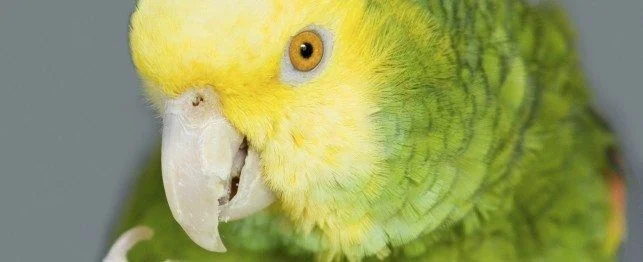
Oct
Parrots are long-term companions. Depending on the species, a parrot can live for decades, so the breeder you buy from affects your bird’s health and behavior for many years. This guide explains how to choose a reputable parrot breeder in the USA, what to ask, and which warning signs mean you should walk away.
Why Your Choice of Breeder Matters
A breeder controls the conditions a young parrot grows up in. Diet, cleanliness, handling, and early socialization all shape the bird you bring home. A careful breeder produces healthy, well-socialized birds. A careless one can pass along illness, stress, and behavior problems that are expensive and difficult to fix.
1. Ask to See the Facility
A reputable breeder lets you see where the birds are kept, either in person or through a live video tour. Look for:
- Clean cages with fresh food and water
- Birds that are alert, active, and have full, smooth feathers
- Enough space for the birds to move and spread their wings
- No strong odors, and no droppings built up on the floor of the cages
If a breeder refuses to show you the birds’ living area, treat that as a serious warning sign.
2. Ask About the Parent Birds
Healthy parents are more likely to produce healthy chicks. Ask the breeder:
- Which species and subspecies the parents are
- How old the parents are
- Whether the parents have been tested for common avian diseases
- Whether you can see the parents
3. Request Health Testing and Records
Ask for written records. Common avian health concerns include psittacine beak and feather disease (PBFD) and psittacosis. A trustworthy breeder can explain what testing was done and give you the results in writing. Ask whether the bird has seen an avian veterinarian. The Association of Avian Veterinarians maintains a directory where you can find a certified avian vet near you for a post-purchase checkup.
A good breeder will also welcome a veterinary exam after purchase and will state their health guarantee in writing.
4. Check Legal and Ethical Standards
In the United States, the import of many wild-caught parrots is restricted under the Wild Bird Conservation Act. You can read about it on the U.S. Fish and Wildlife Service website. Your bird should be captive bred, and the breeder should be able to tell you so and show proof. Ask about:
- Closed leg bands or other identification on the bird
- Documentation of the bird’s origin
- Any state or local permits that apply to the species you want
Some species also have extra legal protections, so confirm the rules for your state before you buy.
5. Look for Hand-Feeding and Socialization Practices
Ask how the chicks are raised. Find out whether they are parent-fed or hand-fed, how often they are handled, and what they are exposed to before going home. Ask when the bird is weaned. A bird should be fully weaned and eating on its own before it leaves the breeder. Never accept a chick that still needs regular hand-feeding unless the breeder has trained you to do it properly.
6. Pay Attention to How the Breeder Communicates
A reputable breeder asks you questions too. Expect them to ask about your home, your experience with birds, and your daily schedule. They want the bird to go to a suitable home.
Good signs include:
- Clear, direct answers to your questions
- A written contract or bill of sale
- Willingness to answer questions after the sale
- No pressure to pay quickly
7. Read Reviews and Ask for References
Search for the breeder’s name online and read independent reviews. Ask for contact details of past buyers and speak with them directly. Membership in a bird organization, such as the American Federation of Aviculture, can also be a useful sign, though membership alone does not guarantee quality. Always verify the details yourself.
Warning Signs to Avoid
Walk away if you notice any of the following:
- The seller will not let you see the birds or the facility
- The seller cannot or will not provide health or origin records
- Prices are far below what other breeders charge for the same species
- You are asked to pay in full by wire transfer or gift card before seeing the bird
- Several species are sold in large numbers with no clear breeding program
- The birds look sick, with fluffed feathers, discharge from the eyes or nose, or feather loss
Questions to Ask Before You Buy
- Is this bird captive bred, and can you show proof?
- What health tests have been done, and can I see the results?
- Is the bird fully weaned?
- Do you offer a written health guarantee?
- Can I take the bird to my own avian vet for an exam?
- What diet is the bird used to eating right now?
- Will you answer questions after I take the bird home?
Prepare Your Home Before Pickup
Once you find the right breeder, prepare your home. Set up a cage large enough for the adult size of your species, buy the same food the bird is already eating, and schedule a first visit with an avian vet. Keeping the diet consistent for the first weeks helps reduce stress during the move.
Final Thoughts
Choosing a reputable parrot breeder takes research, but the effort pays off in a healthier and better-adjusted bird. Visit the facility, ask for records, confirm the bird is captive bred, and trust your instincts if something feels wrong.
To learn more about available parrots and our resources, visit the Exotic Parrots Nest homepage.
