
Uncategorized
How Long Do African Grey Parrots Live?
Oct
How Long Do African Grey Parrots Live?
African grey parrots are among the longest-lived companion birds. With good care, a captive African grey commonly lives for several decades. This guide explains the typical lifespan, what affects it, and how to support your bird’s health over the years.
Typical Lifespan
In captivity, African grey parrots commonly live between 40 and 60 years, and some live longer. Wild birds generally have shorter lives because of predators, disease, food shortages, and habitat loss. Individual lifespan varies, and no breeder or vet can guarantee how long a specific bird will live.
Two Types of African Grey
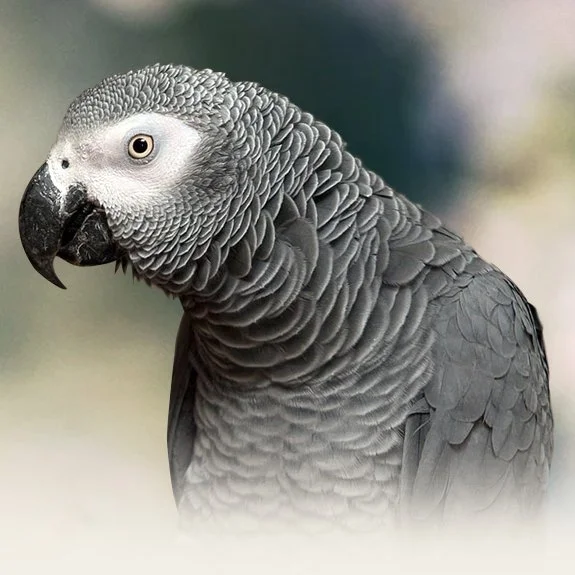
There are two recognized types: the Congo African grey and the Timneh African grey. The Congo is larger, and the Timneh is smaller with a darker body and a maroon tail. Both are long-lived companion birds. Ask your breeder which type you are buying and confirm the bird’s age and origin.
What Affects an African Grey’s Lifespan
Diet
A diet made only of seeds often leads to nutritional problems. Most avian vets recommend a quality pellet as the base of the diet, with fresh vegetables and some fruit. African greys are also prone to low calcium levels, so ask your avian vet about calcium in the diet.
Veterinary Care
Birds hide signs of illness, so regular checkups help catch problems early. The Association of Avian Veterinarians lists avian vets by location. Schedule a first exam soon after you bring your bird home, then follow your vet’s schedule.
Mental Stimulation and Social Contact
African greys are intelligent and social. Without daily interaction, toys, and foraging activities, they can develop stress behaviors such as feather plucking. Plan for several hours of daily time with your bird.
Safe Environment
Avoid household hazards such as non-stick cookware coated with PTFE, aerosol sprays, scented candles, and open windows. Keep the cage in a calm room away from drafts and direct sun.
Sleep and Routine
Most parrots need about 10 to 12 hours of dark, quiet sleep each night. A steady daily routine helps reduce stress.
Health and Breeding Background
A healthy, captive-bred bird from a careful breeder has a better start. Ask for health records and proof the bird is captive bred. Our guide on how to choose a reputable parrot breeder explains what to request and which warning signs to avoid.
Common Health Concerns
African greys can be affected by:
- Low blood calcium
- Feather plucking linked to stress or boredom
- Psittacine beak and feather disease (PBFD)
- Respiratory problems
- Obesity from a poor diet
Contact an avian vet if you notice fluffed feathers for long periods, loss of appetite, discharge from the eyes or nose, labored breathing, or changes in droppings.
Planning for a Long Commitment
Because an African grey can live for decades, think about long-term plans before you buy. Consider who would care for the bird if your situation changed, and include the bird in your future planning. If you are still deciding on a species, read our guide on choosing the best pet parrot. To prepare your home, use our new parrot checklist.
For more on legal protections that apply to parrots, see the U.S. Fish and Wildlife Service.
Final Thoughts
A captive African grey can live for 40 to 60 years or more with proper care. Feed a balanced diet, schedule regular vet visits, provide daily interaction, and keep the home safe. Choose a healthy, captive-bred bird from a reputable source and plan for the long term.
To view available parrots and learn more about our resources, visit the Exotic Parrots Nest homepage.
