



Plum-Headed Parakeet

$750.00
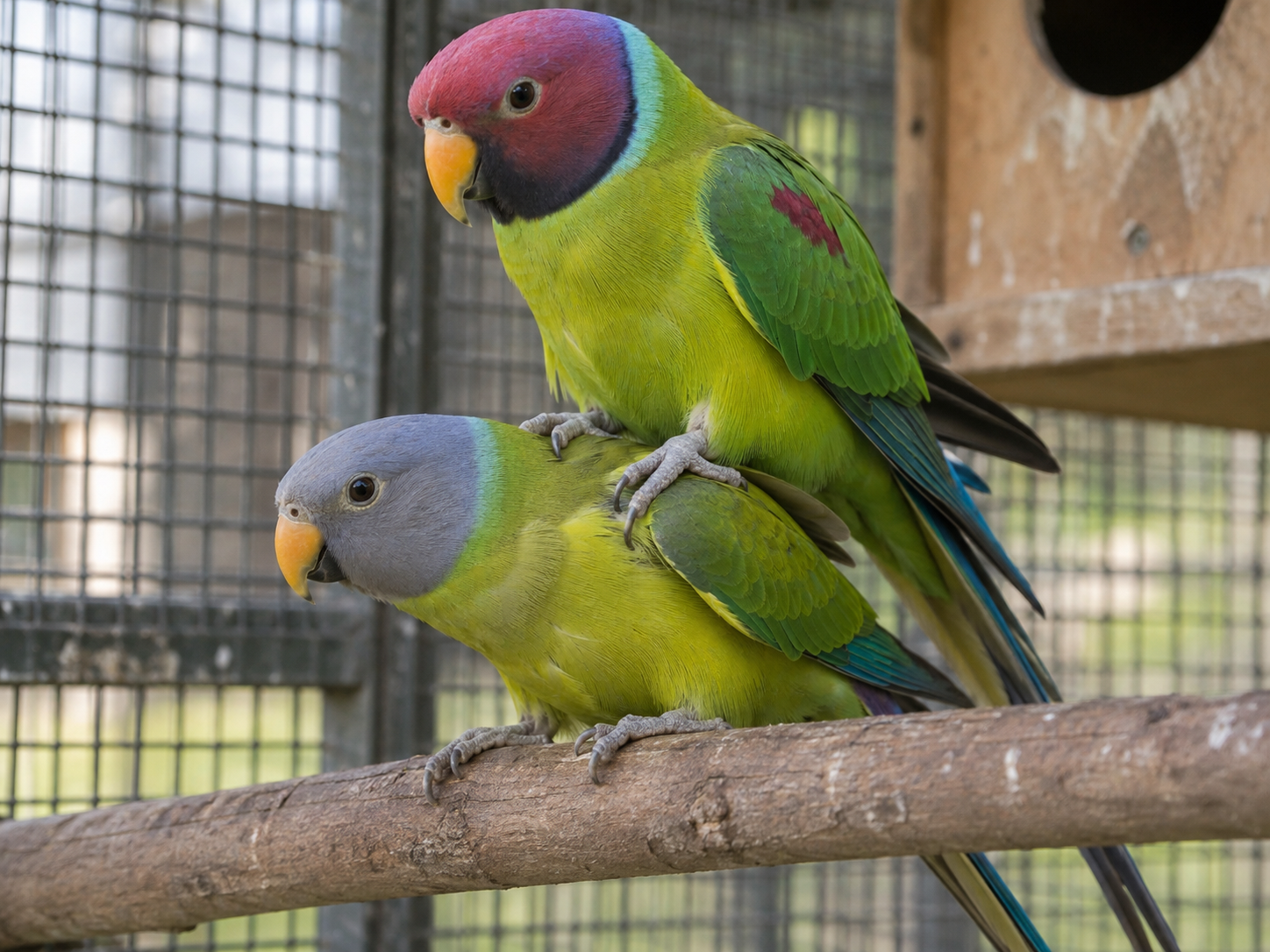
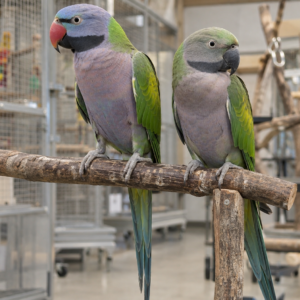
Male and female Plum-Headed Parakeets are represented in this listing. Scientifically known as Psittacula cyanocephala, this colourful Asian parakeet is recognized for its green body, long blue-green tail and strongly contrasting adult head colours. Mature males develop a deep plum-red head with blue-purple shading, while females have a softer blue-grey head. Adults reach approximately 12.8 inches and weigh around 66–80 grams. With a reported lifespan of approximately 15–25 years, Plum-Headed Parakeets require suitable flight space, balanced nutrition, enrichment and regular avian veterinary care.
Plum-Headed Parakeet – Male & Female
The Plum-Headed Parakeet is a colourful Asian parakeet recognized for its elegant long tail and the dramatic difference between adult male and female head colouring.
Scientifically classified as Psittacula cyanocephala, this species is native to parts of the Indian subcontinent and surrounding Himalayan regions.
Adults reach approximately 12.8 inches in overall length and weigh around 66–80 grams. Although relatively lightweight, much of the bird’s overall length comes from its long tail, making adequate horizontal flight space particularly important.
The species is well established in aviculture and is especially popular with keepers who appreciate naturally occurring sexual colour differences.
Plum-Headed Parakeet Details
- Common Name: Plum-Headed Parakeet
- Scientific Name: Psittacula cyanocephala
- Bird Type: Asian Parakeet
- Sex Represented: Male and Female
- Adult Size: Approximately 12.8 inches
- Adult Weight: Approximately 66–80 g
- Reported Lifespan: Approximately 15–25 years
- Primary Body Colour: Green
- Male Head Colour: Deep plum-red with blue-purple shading
- Female Head Colour: Dull blue-grey
- Conservation Status: Least Concern
- CITES Listing: Appendix II
What Does a Male Plum-Headed Parakeet Look Like?
The mature male Plum-Headed Parakeet is highly distinctive.
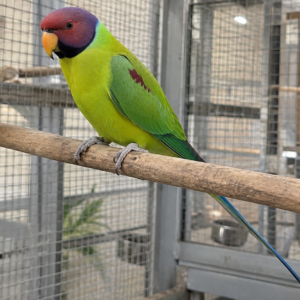
Its body is primarily yellow-green, while the head develops a rich plum or deep red colour. Blue-purple shading appears toward the back of the head, nape and lower cheek area.
A black chin strap runs across the lower cheeks and continues around the back of the neck, bordered by a blue-green collar.
The wings remain predominantly green but contain a dark red patch around the inner median wing coverts.
The long central tail feathers are deep blue with pale tips, while the outer tail feathers combine yellow-green and yellow.
The upper mandible is orange-yellow, while the lower mandible is darker.
This colour combination gives adult males a striking contrast between the head, body and tail.
What Does a Female Plum-Headed Parakeet Look Like?
Female Plum-Headed Parakeets have a noticeably different appearance.
Rather than the deep plum-red head of the male, females have a dull blue-grey head.
They also lack the strong black facial and neck markings found in adult males.
A softer yellow collar may be present, replacing the male’s darker neck markings.
Females also lack the red shoulder patch seen on mature males.
The upper beak is generally pale yellow while the lower portion is grey.
These differences make adult Plum-Headed Parakeets easier to distinguish by sex than many parrot species.
Plum-Headed Parakeet Size
The adult Plum-Headed Parakeet reaches approximately 12.8 inches in total length.
Adults generally weigh around 66–80 grams.
The species has a relatively lightweight body combined with a long, tapered tail.
Because of this body shape, enclosure width and flight length matter more than simply providing a tall cage.
The bird should be able to move freely without repeatedly brushing its tail against the enclosure.
Plum-Headed Parakeet Lifespan
The reported Plum-Headed Parakeet lifespan is approximately 15–25 years under suitable captive conditions.
Actual longevity can vary according to:
- Genetics
- Diet
- Exercise
- Veterinary care
- Housing
- Environmental safety
- Enrichment
- General husbandry
Anyone considering this species should plan for a long-term commitment.
Plum-Headed Parakeet Price
The Plum-Headed Parakeet price can vary according to the individual bird.
Factors that may affect pricing include:
- Age
- Sex
- Colour
- Handling history
- Tameness
- Health information
- Documentation
- Location
- Availability
Because no exact selling price has been supplied for this listing, the live product page should display the actual current price rather than inserting an unsupported market estimate.
Plum-Headed Parakeet Personality
Plum-Headed Parakeets are active and social birds.
Wild birds may forage in mixed flocks alongside other parakeet species, and captive birds also benefit from environmental stimulation.
A suitable routine can include:
- Flight
- Climbing
- Foraging
- Safe chewing
- Bathing
- Training
- Social interaction
Individual temperament varies according to age, handling and previous experience.
A calm and predictable environment can help birds become more comfortable with daily routines.
Are Plum-Headed Parakeets Loud?
Plum-Headed Parakeets are vocal, but their sounds differ from those of larger parrots.
Their flight call is musical and distinctive, and males can produce more complex sequences of rising and falling notes.
They may also chatter, produce rapid shrill calls and use sharper alarm sounds when disturbed.
Potential owners should still expect normal daily parrot vocalization.
Housing a Plum-Headed Parakeet
Plum-Headed Parakeets need adequate flight space.
A walk-in aviary with approximately 9.8 feet of length is commonly recommended in professional avicultural settings.
Suitable housing should include:
- Horizontal flight space
- Natural wooden perches
- Multiple perch heights
- Feeding and water stations
- Safe enrichment
- Bathing access
- Climbing opportunities
The enclosure should not be overcrowded with toys to the point that normal flight becomes difficult.
Enrichment and Exercise
This species benefits from regular environmental enrichment.
Suitable options include:
- Swings
- Bird-safe wood
- Pine cones
- Ladders
- Climbing ropes
- Foot toys
- Safe leather toys
- Push-and-pull toys
- Bathing opportunities
Bird-safe woods such as willow and other untreated suitable branches can provide both perching and chewing opportunities.
Rotating enrichment helps keep the environment varied.
Plum-Headed Parakeet Diet
The Plum-Headed Parakeet naturally consumes a relatively fruit-rich diet compared with several other Asian parakeets.
A managed captive diet may include:
- Appropriate formulated parrot food
- Small seed mixtures
- Millet
- Sprouted seeds
- Leafy greens
- Suitable vegetables
- Appropriate fruits
Fresh apple is one commonly offered fruit, although a variety of safe fruits may be used.
The exact diet should be adjusted according to the individual bird’s age, body condition and veterinary guidance.
For professional bird-care information, owners can consult:
Association of Avian Veterinarians
Natural Range of the Plum-Headed Parakeet
The Plum-Headed Parakeet is native to parts of South Asia.
Its natural range includes:
- Northeastern Pakistan
- Nepal
- Bhutan
- India
- Sri Lanka
- Rameswaram Island
- Parts of West Bengal
The species inhabits moist deciduous forest, wooded areas, clearings and cultivated regions.
It can occur from lowlands into hills at elevations of approximately 1,300 metres.
Wild Diet and Behaviour
Wild Plum-Headed Parakeets feed on a variety of fruits, seeds, buds, petals and nectar.
Known natural foods include figs, jujube-type fruits, bamboo seeds and seeds from other plants.
The species may also enter cultivated areas and feed on crops.
Wild birds sometimes forage in mixed flocks with other parakeets, including Slaty-headed and Malabar Parakeets.
Breeding pairs may form colonies and nest in tree cavities.
Plum-Headed Parakeet Conservation Status
The Plum-Headed Parakeet is currently classified as Least Concern and listed under CITES Appendix II.
The global population is not precisely known, and current information indicates an overall decreasing trend.
Regional pressures include:
- Habitat loss
- Reduction of tree cover
- Changes in forest habitat
- Local population declines
Responsible captive sourcing remains important.
Plum-Headed Parakeet vs Indian Ringneck
The Plum-Headed Parakeet and Indian Ringneck are both Asian parakeets, but they look very different.
Plum-Headed Parakeet
- Approximately 12.8 inches
- Around 66–80 g
- Male has plum-red head
- Female has blue-grey head
- Smaller, lighter build
Indian Ringneck
- Approximately 15.6 inches
- Around 116–140 g
- Natural form predominantly green
- Adult male develops black and pink neck ring
- Larger body and longer overall profile
The Plum-Headed Parakeet is therefore noticeably smaller and has much stronger head colour differences between adult males and females.
Veterinary Care
An avian veterinarian should be identified before bringing home any companion parrot.
Routine examinations can help monitor:
- Weight
- Plumage
- Beak
- Feet
- Diet
- Activity
- General condition
Professional guidance can also help establish an appropriate long-term feeding and husbandry plan.
Association of Avian Veterinarians
Preparing for Plum-Headed Parakeet Ownership
Before bringing home a Plum-Headed Parakeet, the environment should already be prepared.
A suitable setup should include:
- Adequate flight space
- Natural perches
- Safe food and water stations
- Bathing access
- Enrichment
- Appropriate nutrition
- Veterinary support
The bird’s potential 15–25 year lifespan should also be considered before purchase.
Why the Plum-Headed Parakeet Is Distinctive
The Plum-Headed Parakeet combines a small, lightweight body with exceptional natural colour differences between the sexes.
The mature male’s plum-red and purple-blue head is dramatically different from the female’s softer blue-grey head, while both retain elegant green bodies and long tails.
For prospective owners, accurate sex identification, appropriate flight space, nutrition, enrichment and responsible sourcing should all be considered before choosing this species.
Frequently Asked Questions
What is the scientific name of the Plum-Headed Parakeet?
The scientific name is Psittacula cyanocephala.
How big is a Plum-Headed Parakeet?
Adults reach approximately 12.8 inches in total length.
How much does a Plum-Headed Parakeet weigh?
Adults generally weigh approximately 66–80 grams.
How long does a Plum-Headed Parakeet live?
The reported lifespan is approximately 15–25 years under appropriate captive care.
What colour is a male Plum-Headed Parakeet?
Adult males have green bodies with deep plum-red heads, blue-purple shading, black neck markings and long blue tail feathers.
What colour is a female Plum-Headed Parakeet?
Adult females have green bodies with dull blue-grey heads and lack the male’s strong black neck markings and red shoulder patch.
Are Plum-Headed Parakeets loud?
They are vocal birds but generally produce more musical calls than some other ring-necked parakeets.
What do Plum-Headed Parakeets eat?
A balanced captive diet may include appropriate formulated food, small seeds, sprouted foods, vegetables, leafy greens and suitable fruits.
What is the Plum-Headed Parakeet price?
Price varies according to age, sex, handling, health, documentation, location and availability. The actual current selling price should be displayed on the individual listing.
Is a Plum-Headed Parakeet the same as an Indian Ringneck?
No. They are separate species. Plum-Headed Parakeets are smaller and show very different adult head colouring.
Where can I learn more about professional bird care?
The Association of Avian Veterinarians provides professional companion-bird care information:
Be the first to review “Plum-Headed Parakeet”
Related products

Asiatic Parrots


Asiatic Parrots

Asiatic Parrots
Reviews
There are no reviews yet.